Seamless gutters and downspouts installation guarantees efficient water drainage and protects your home from water damage. Begin by calculating required gutter lengths and inspecting fascia boards for stability. Attach gutters securely with durable hangers, and use Y connectors for precise downspout drainage. Select appropriate gutter sizes based on roof dimensions and local rainfall. Incorporating gutter guards can prevent clogs and reduce maintenance. Professional installation is recommended for best performance and longevity, though DIY options are available. The choice of material—aluminum, copper, steel, or vinyl—affects durability and maintenance needs. Discover more about achieving efficient, long-lasting gutter systems.
Main Points
- Seamless gutters minimize leaks by reducing the number of joints.
- Professional installation ensures proper sizing, fitting, and drainage.
- Durable materials like aluminum and copper enhance longevity and performance.
- Proper attachment to fascia boards with durable hangers and screws is crucial.
- Connect downspouts with Y connectors for efficient water management.
Preparation and Planning
To guarantee a successful seamless gutter and downspout installation, begin by meticulously calculating the required gutter lengths based on the linear footage of the roofline. Accurate measurements are essential to guarantee the seamless gutters fit perfectly, reducing potential leaks and enhancing overall efficiency. Start by measuring each segment of the roofline where you intend to install the gutters. Record these measurements carefully, as they will determine the lengths of the seamless gutters needed.
Next, consider the placement of end caps, which are critical components that seal the ends of the gutters to prevent water from escaping. Make sure you account for the exact positions where these end caps will be installed to maintain a precise fit and effective water flow.
Additionally, inspect the fascia boards for any signs of damage or rot. A solid, clean fascia is necessary to provide a sturdy foundation for attaching the seamless gutters. Address any issues with the fascia before proceeding with the installation.
Choosing Gutter Size
Selecting the appropriate gutter size is a crucial step that hinges on understanding the specific climatic and architectural variables of your property. The average annual rainfall in your area plays a noteworthy role in determining the size of the gutters required. For regions experiencing heavy rainfall, larger gutters, such as 6-inch ones, are more suitable as they can handle higher water volumes. Conversely, smaller gutters, like 5-inch ones, might be adequate in areas with lighter precipitation.
Factors such as roof size, pitch, and layout also significantly impact the appropriate gutter size. The larger and steeper the roof, the more water runoff it produces, necessitating larger gutters. Similarly, complex roof layouts with multiple valleys and slopes may require a more resilient gutter system.
Consulting with a professional is essential to determine the best gutter size for your specific needs and conditions. Professionals can provide tailored advice based on precise calculations and local weather patterns.
| Factor | Impact on Gutter Size |
|---|---|
| Average Rainfall | Higher rainfall needs larger gutters |
| Roof Size | Bigger roofs produce more runoff |
| Roof Pitch | Steeper roofs require larger gutters |
| Roof Layout | Complex layouts need robust systems |
| Professional Advice | Ensures precise and tailored sizing |
Understanding these factors guarantees that your gutter system will function efficiently, protecting your property from water damage.
Seamless Gutter Installation
Seamless gutter installation involves precise measurements and the use of specialized equipment to guarantee a custom fit for each property. The process begins with determining the exact length required, often by measuring and cutting sections up to 42 feet long to ensure minimal joints and potential leak points.
Once measurements are confirmed, the seamless gutters are attached to the fascia board of the building using durable hangers and screws. These elements are essential for providing the necessary support and stability to withstand various weather conditions. End caps are then securely attached and waterproofed to prevent any leaks, preserving the integrity of the gutter system.
Additionally, fittings such as Y connectors are used to link the seamless gutters with downspouts, facilitating efficient water drainage away from the property. This step is vital for preventing water damage to the building's foundation and landscaping. Proper installation can typically be completed within a few hours, offering an effective and long-lasting solution for water management.
Downspout Installation
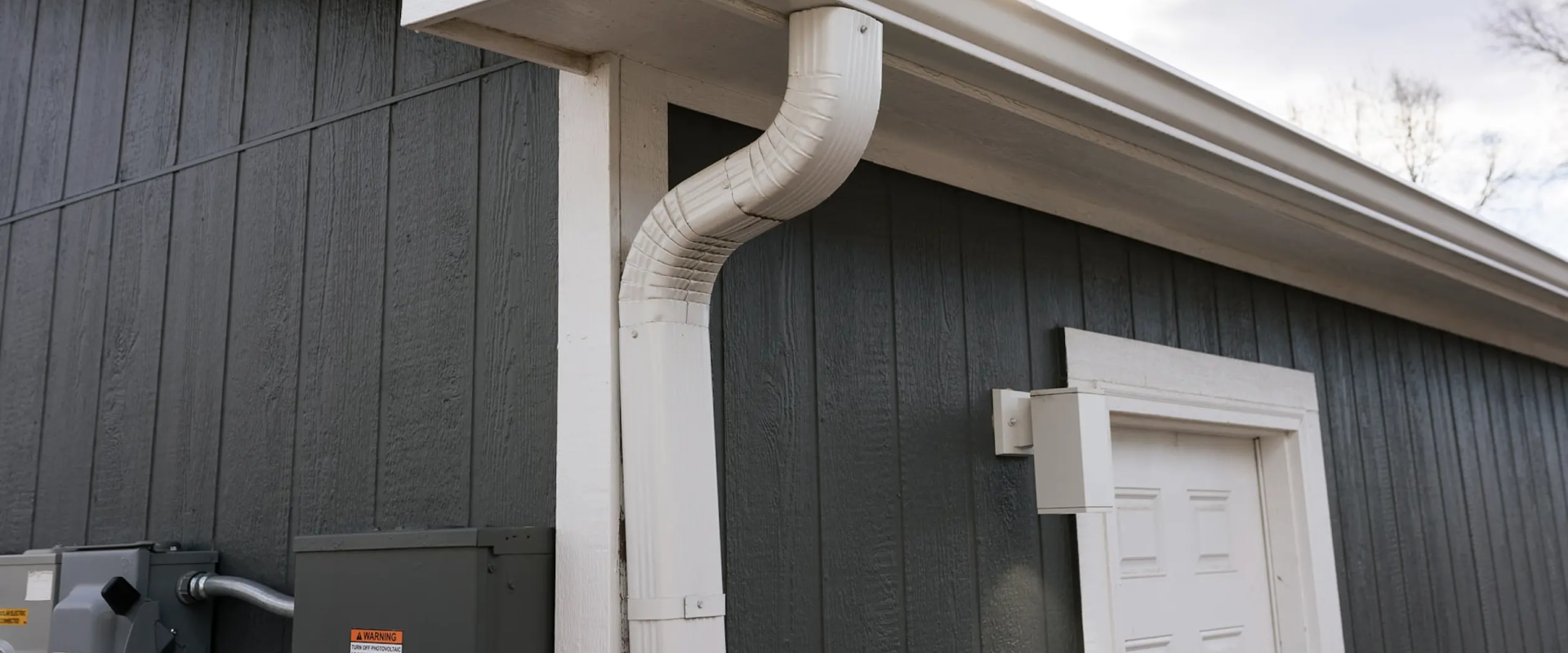
Connecting downspouts to the seamless gutter system is an important step in guaranteeing efficient water drainage away from the property. Downspouts serve as the conduits that direct collected water from the gutters to the ground or a designated drainage system, preventing water damage to the building's foundation and landscaping.
To ensure a secure and effective connection, use appropriate connectors such as the three by four downspout connectors. These connectors provide a snug fit, minimizing the risk of leaks. Sealing the connections with high-quality caulk and applying heat for a firm bond is essential for durability and leak prevention. This method guarantees that the system remains robust and functional over time.
In situations where multiple downspouts need to converge into a single outlet, a Y fitting is highly recommended. This fitting facilitates efficient water flow, reducing the chances of overflow and ensuring that water is directed precisely where it needs to go.
Additionally, planning ahead to integrate the downspouts into a catchment system can be beneficial. This approach allows for the collected water to be repurposed, such as for garden beds or other water collection needs, promoting sustainability and resource efficiency.
Gutter Guard Setup
Installing gutter guards is crucial for protecting your gutters from debris like leaves and twigs, which lowers maintenance frequency. Safely securing the guards with screws guarantees their stability and effectiveness. Consistent maintenance and periodic professional cleaning are important for preserving top-notch gutter guard performance and avoiding clogs.
Installing Gutter Guards
Installing gutter guards is a vital step in enhancing the durability and effectiveness of your seamless gutter system by preventing debris buildup and minimizing clogging. Gutter guards act as a barrier, keeping leaves, twigs, and other debris out while allowing water to flow freely through the gutter system. This reduces the chance of blockages and the potential for water damage to your property.
To set up gutter guards effectively, start by measuring the length of your gutters to determine how much material you will need. Once you have the appropriate amount, position the gutter guards over the gutters, making sure they cover the entire width. Secure the guards in place by screwing them into the gutter lip or fascia board. This step is essential to prevent the guards from shifting or becoming dislodged during heavy rainfall or wind.
For peak performance, it is particularly advantageous to install gutter guards in areas with leafy trees, where the risk of gutter blockages is highest. Although gutter guards reduce maintenance, consider periodic professional gutter cleaning to ensure they remain free from any finer debris that may accumulate over time. Proper installation and occasional assessment will help maintain the effectiveness and durability of your seamless gutter system.
Gutter Guard Maintenance
Regular maintenance of gutter guards is necessary for sustaining their effectiveness and guaranteeing unobstructed water flow through the seamless gutter system. Neglecting this critical upkeep can lead to clogs, potentially compromising the functionality of the entire gutter system. To maintain peak performance, it is essential that gutter guards are securely screwed in place, providing a strong barrier against various weather conditions and debris accumulation.
Especially in areas surrounded by leafy trees prone to shedding, gutter guards play an essential role in minimizing the ingress of leaves and other organic materials. Despite their protective function, periodic professional cleaning is advisable. This ensures that any accumulated fine debris or smaller particles that bypass the guards are effectively removed, thereby maintaining clear water pathways.
In addition to regular cleaning, inspecting the structural integrity of the guards is crucial. Loose or damaged guards should be promptly repaired or replaced to prevent water overflow or damage to the seamless gutters. Proper installation and diligent maintenance of gutter guards not only prevent clogs but also greatly extend the lifespan of the gutter system, ensuring long-term efficiency and reliability.
DIY Vs. Professional
When deciding between DIY and professional installation of seamless gutters, it is important to weigh the costs, risks, and benefits associated with each option. DIY installations typically range from $650 to $1,700, reflecting a more budget-friendly approach. However, the potential risks can outweigh the initial cost savings. Improper fitting and installation can lead to leaks and possible damage to the property, such as foundation cracks, which can be costly to repair.
For homeowners in Beaverton, Oregon, choosing Brisco Roofing for seamless gutter installation provides peace of mind and long-term value. Their team ensures gutters are properly sized, securely attached, and fitted with precision, reducing the risk of future water damage. Brisco Roofing also has the specialized equipment and expertise to handle complex rooflines, local rainfall requirements, and integration with downspouts and gutter guards. While professional installation comes with an upfront cost, the quality workmanship and efficiency Brisco Roofing delivers saves homeowners from expensive repairs later on.
Consider the following factors when making your decision:
- Budget: DIY may save money upfront, but potential future repairs could be expensive.
- Time: Professional installation is generally quicker and more efficient.
- Expertise: Professionals offer knowledge and skill that may be lacking in a DIY approach.
- Risk: Reduced risk of improper installation and subsequent property damage with professional installers.
Ultimately, balancing these factors will guide you to the best decision for your seamless gutter installation.
Maintenance Tips
Maintaining seamless gutters is essential for their longevity and effectiveness. Regularly removing debris and inspecting for leaks or damage will guarantee proper water flow and prevent expensive water damage to your home. Additionally, addressing these issues promptly can reduce potential structural problems and enhance the overall performance of your gutter system.
Regular Debris Removal
Consistent debris elimination is crucial for preserving the effectiveness and durability of your seamless gutter system. Regular cleaning helps prevent blockages, guaranteeing that water can flow smoothly through the gutters and downspouts, thereby avoiding potential water damage to your home. Debris such as leaves, twigs, and dirt should be cleared out periodically to keep the gutter system operating at its best. Here are some key points to keep in mind for effective debris removal:
- Frequency: Clean your gutters at least twice a year, especially before the rainy season, to prevent water overflow and subsequent damage.
- Tools: Use appropriate cleaning equipment, like a gutter scoop, garden hose, or a specialized gutter cleaning attachment for your pressure washer.
- Safety: Prioritize safety by using a sturdy ladder and wearing gloves to shield your hands from sharp debris and potential pests.
- Gutter Guards: Ponder on installing gutter guards or covers to lessen the frequency of debris accumulation and reduce maintenance efforts.
Neglecting regular debris removal can lead to serious consequences such as overflow, leaks, and damage to the gutter system, which can result in expensive repairs. By following these maintenance tips, you can guarantee that your seamless gutters operate effectively and safeguard your home from water damage.
Leak and Damage Inspection
Regularly examining your seamless gutters for leaks and damage is important to prevent potential water damage to your home. Diligent inspection involves identifying key issues such as rust, corrosion, or holes in the gutter material, which are primary indicators of possible leaks. These elements can compromise the integrity of the gutters and lead to significant water-related problems if not promptly addressed.
Additionally, it is essential to examine the hangers that secure the gutters to your home. Look for any loose or damaged hangers, as these can cause sections of the gutter to sag or become misaligned. Such issues can disrupt the proper flow of water, leading to pooling or overflow that can damage your home's exterior and foundation.
Prompt action is crucial when leaks or damage are detected. Small leaks can often be sealed with appropriate waterproofing materials, while more extensive damage may necessitate the replacement of affected sections to maintain the system's efficiency.
Consistent maintenance of seamless gutters not only prolongs their lifespan but also ensures they continue to protect your home effectively. By addressing issues swiftly, you mitigate the risk of water damage and maintain the structural integrity of your property.
Material Options
When selecting seamless gutters and downspouts, homeowners have several material options to contemplate, including aluminum, copper, steel, vinyl, and zinc. Each material offers distinct benefits and considerations, which can notably impact the longevity and performance of your gutter system.
Aluminum is a popular choice due to its lightweight nature, rust-resistant properties, and cost-effectiveness. It is easy to install and available in a variety of colors to match home exteriors.
Copper gutters stand out for their durability and elegant appearance. They develop a unique patina over time, adding aesthetic charm. Copper is also highly resistant to rust and corrosion, making it a long-lasting option.
Steel gutters are known for their strength and ability to withstand harsh weather conditions. They are long-lasting but require regular maintenance to prevent rust, especially in more humid climates.
Vinyl gutters are lightweight and easy to install, making them a convenient option for DIY projects. They are low maintenance but may not offer the same durability as metal alternatives, potentially leading to cracks or warping over time.
Seamless gutters and downspouts play a critical role in protecting your home from water damage, but their effectiveness depends on proper planning, material selection, and expert installation. While DIY projects may be tempting, professional installation guarantees correct sizing, durable attachment, and reliable drainage performance.
For Beaverton homeowners, Brisco Roofing is the trusted choice for seamless gutter and downspout installation. Their experienced team understands the unique demands of the Pacific Northwest climate and provides tailored solutions that keep homes safe, dry, and structurally sound. From helping you select the right gutter size and materials to integrating guards for reduced maintenance, Brisco Roofing ensures a long-lasting system that safeguards your property year after year.